

The Value of a Professional Seafood Processing Factory in Bulk Seafood Supply Chains
Do most buyers only compare prices, ignoring the real value of processing factories?
From daily communications with new clients sending inquiries, I have a strong observation. Most overseas seafood buyers focus only on product prices when sourcing suppliers. They overlook the critical role seafood processing factories play within bulk seafood supply chains.
We see this scenario quite often. We are the exclusive designated manufacturer for several well‑known seafood brands. Our quotations follow the same standards set by these big brands, yet many clients still consider our prices too high.
What is the root cause? Many buyers have never experienced actual losses caused by supply chain risks. Raw material price hikes, failed quality inspections, packaging errors, cold chain breakdowns… Any single problem can lead to full‑container losses, delayed shipments and substantial hidden costs.
This explains why famous brands apply extremely strict standards when selecting factory partners. None of these requirements are made up arbitrarily.
What makes a bulk seafood supplier truly competitive?
I have worked in seafood export for many years, served numerous overseas buyers, and watched many small‑and‑medium traders grow their businesses step by step.
My view is clear: consistent quality forms the foundation. Beyond that, the real core competitiveness of a reliable seafood supplier lies in stable delivery capacity and a complete range of product sizes.
Take tilapia, our highest‑volume product, as an example. Many clients place regular orders for the 300–500g size. However, overseas market demand shifts constantly. Clients often revise orders at short notice and request mixed sizes in one container: 200–300g, 300–500g and over 800g.
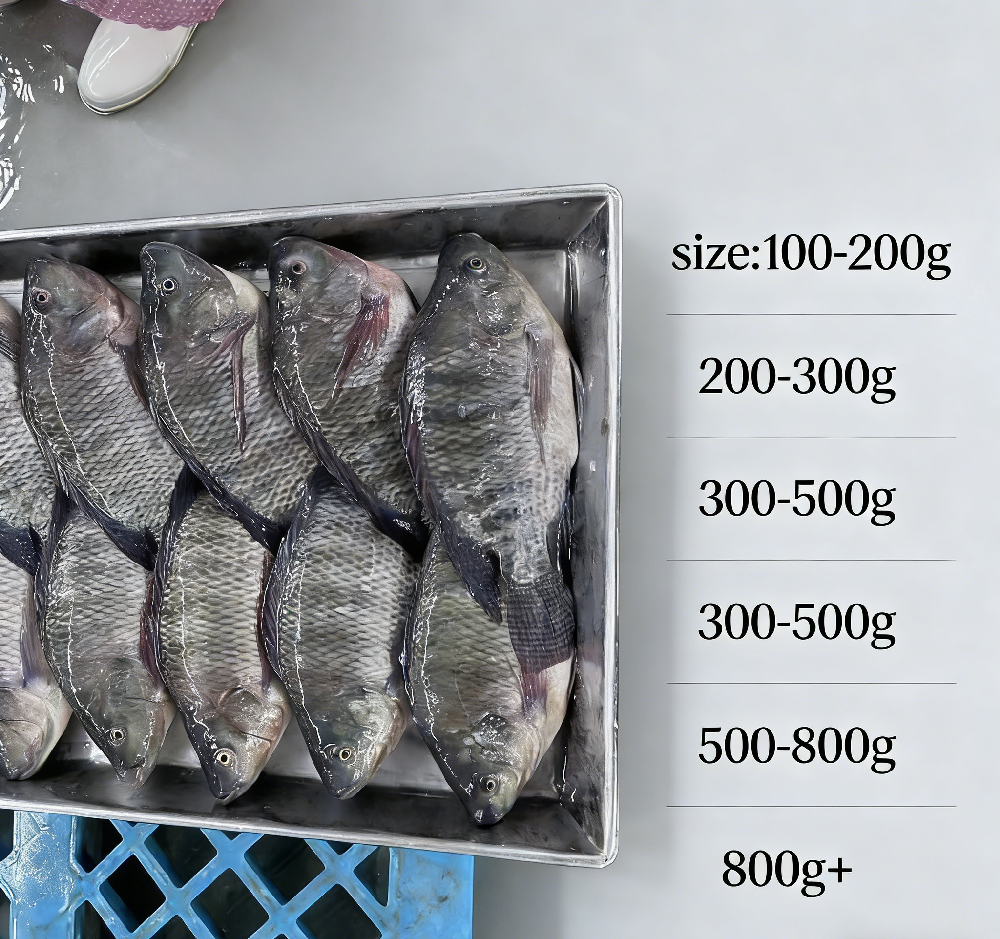
Can your supplier handle such flexible mixed orders? Last‑minute order adjustments heavily test a factory’s overall capability and production scheduling.
How do we control raw material quality and supply stability from the source?
To lock in quality and supply from the start, we operate our own fishing vessels and aquaculture bases. Raw materials for frozen seafood are fully traceable. Raw materials for canned seafood go through parallel screening and full‑process control. All shipments can smoothly pass customs inspections across different countries.
A professional seafood processing factory must have reliable raw material sources, a complete traceability system, and full international certifications including EU, BRC and IFS.
We supply bulk frozen whole fish, frozen fish fillets, plus canned seafood such as sardines and mackerel. Both product lines follow one unified quality control standard. Even for large full‑container orders, consistent quality is maintained across every batch. Our facility has standard workshops, frozen production lines and canned food sterilisation lines. Every batch undergoes sampling tests to prevent quality issues before goods leave the factory.
Can your supplier help you cut customs clearance risks?
Customs clearance remains a major pain point for overseas importers. We hold complete certifications including BRC, IFS, HACCP, FDA and fishing permits in advance. Our export documents meet clearance requirements for key markets such as Africa and Europe, which effectively reduces clearance difficulties and risks for buyers.
Many clients are unaware of one of our key strengths. Our business started with raw material sourcing, warehousing and supply‑chain sales. While exporting frozen seafood and canned seafood overseas, we also supply raw materials to many domestic seafood processing and canning factories.
Backed by our mature raw material supply network, we keep sufficient stock year‑round and avoid supply interruptions.
We reserve enough production capacity both in peak and off seasons. This helps us avoid common industry issues: stock shortages in peak season and price increases in off season, delivering long‑term and stable supply guarantees for our clients.
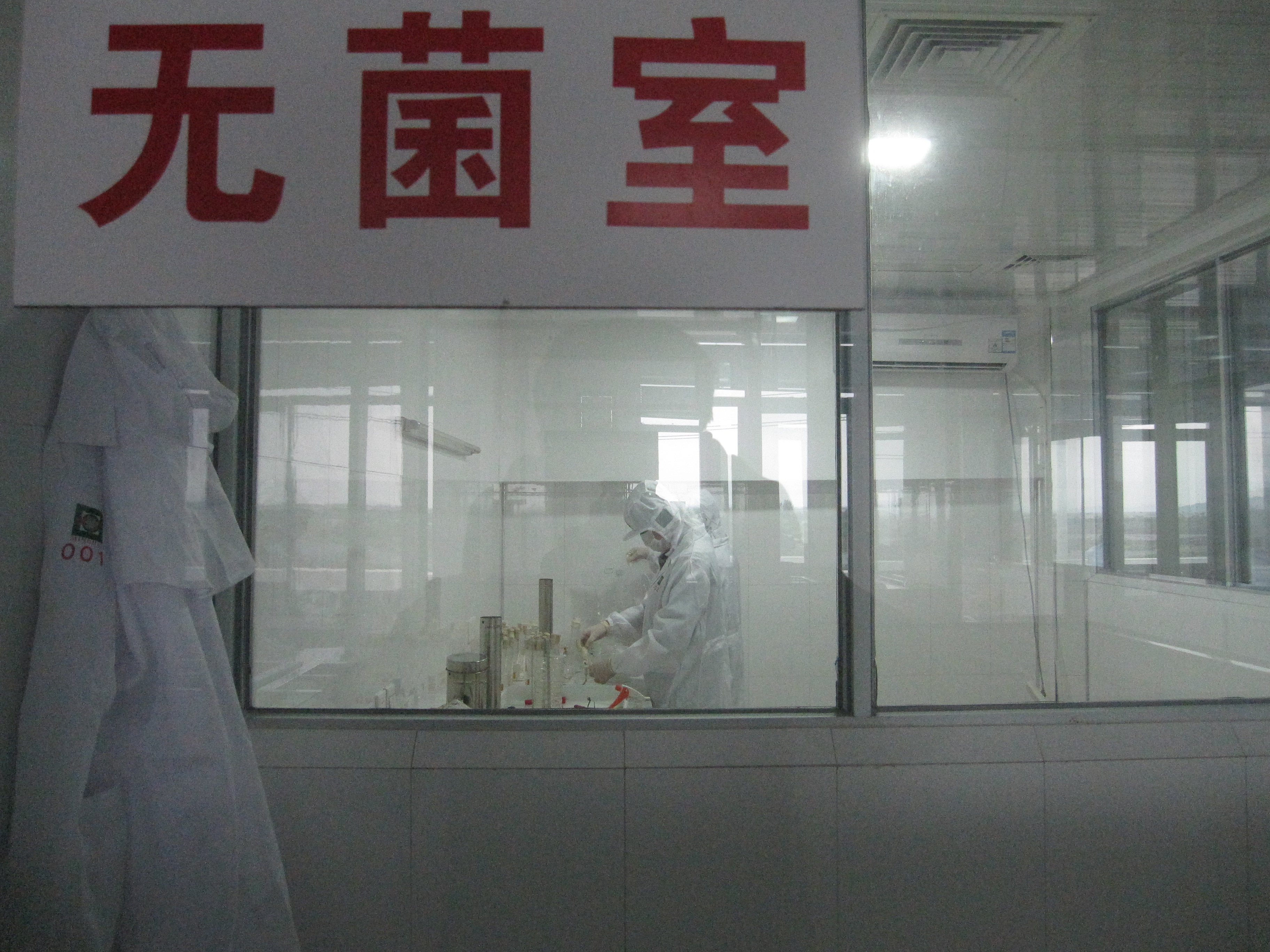
How important are container storage and pre‑cooling for bulk seafood?
Bulk seafood trade is mostly shipped as full containers. A factory’s pre‑cooling treatment, warehouse management and container loading practices directly determine freshness and product quality once cargo arrives at destination.
Final note: Don’t choose your partner based on unit price alone
When selecting a bulk seafood supply chain partner, do not compare prices only. You also need to evaluate the factory’s end‑to‑end supply chain strength, quality control standards, delivery stability, and documentation capacity to meet import requirements of different countries.
- Tilapia entier congelé ou filets de tilapia : lequel est le meilleur pour la distribution en gros ?
- Sardines en conserve OEM et marques privées : Comment lancer votre propre marque de fruits de mer en conserve
- Guide d'achat du tilapia congelé : Que vérifier ?
- Comment se procurer du tilapia congelé auprès d'exportateurs de produits de la mer fiables
- Comment le pourcentage de glaçage influence les coûts d'importation du tilapia entier congelé
- Pourquoi le poisson-chat surgelé IQF HGT en gros est le meilleur choix pour la restauration et la transformation